Blog

  • How to Check Packaged Drinking Water Quality ?

    Introduction: Look Beyond the Bottle’s Appearance

    How to Check Packaged Drinking Water Quality ? Packaged drinking water is purchased for homes, travel, offices, shops, restaurants, and events. Because a bottle may look clear and the packaging may appear simple, buyers can be tempted to judge quality by appearance alone. That is not enough. Some important characteristics of water cannot be confirmed by sight, smell, or taste.

    A better approach is to check the label, make sure the package is intact, follow storage guidance, and rely on applicable standards and verifiable product information. This guide explains practical checks for consumers and business buyers considering packaged drinking water from brands such as HIMRO. It does not claim that any visual check can replace laboratory testing or regulatory oversight.

    How to Check Packaged Drinking Water Quality ?

    1. Read the Product Label Carefully

    The label is an important source of product information. Read the product name and category, the manufacturer or packer details, net quantity, batch or lot information, date details, and any licence or compliance information required under applicable rules. The exact details depend on the product and the regulations in force.

    Do not assume that two bottles have the same source, composition, or regulatory category simply because they look similar. Terms such as packaged drinking water and mineral water may have distinct meanings. The product’s actual label should guide your understanding.

    If a label is missing important information, illegible, altered, or inconsistent, avoid making assumptions. Choose a clearly labelled product and ask the seller or manufacturer for clarification if needed. Business buyers who require documentation should request it and verify it through the relevant official channels.

    2. Check the Cap and Seal

    Before opening a bottle, inspect the cap and seal. The closure should appear intact, with no obvious signs of tampering, leakage, or damage. A broken or compromised seal means the package may not be in its expected condition.

    Do not buy or consume a bottle if the cap appears loose, the seal is broken, or water is leaking. If you notice an issue after purchase, set the bottle aside and contact the seller or brand for guidance. Keep the label and batch details available so the product can be identified.

    A seal check is a useful first step, but it does not prove every aspect of water quality. It is one part of a more complete decision that includes product information and appropriate oversight.

    3. Inspect the Bottle and Packaging 

    Look for cracks, punctures, unusual deformation, leaks, or damaged packaging. Check that the label is readable and that the bottle appears to have been handled appropriately. For cases, inspect cartons for crushing, moisture damage, or other signs that could have affected the bottles inside.

    If a bottle has unusual particles, unexpected colour, or an unusual odour, do not drink it. Set it aside and contact the seller or manufacturer. Do not try to make a questionable product acceptable by filtering it at home or transferring it to another container.

    At the same time, remember that a bottle that looks normal is not proof of complete safety. Visual inspection can help identify obvious problems, but it cannot detect every chemical or microbiological concern.

    4. Understand What Dates and Batch Details Are For

    Product date and batch information can help consumers and businesses identify a product and manage stock. Read and follow the details printed on the label. Retailers should use a consistent stock rotation process and avoid selling products that are past the applicable date or otherwise unsuitable under relevant requirements.

    Batch details are especially useful if a question or complaint arises. When contacting the supplier, provide the product name, batch or lot information, date details, where and when it was purchased, and a clear description of the concern. If appropriate, keep the bottle and packaging rather than discarding them immediately.

    Never invent or guess missing date information. If details are unreadable, ask the seller or manufacturer for clarification or choose another product.

    5. Store Packaged Drinking Water Properly

    Storage matters after purchase. Follow the product label and any instructions provided by the manufacturer. As a practical rule, keep unopened bottles in a clean, suitable area, away from direct sunlight and excessive heat where applicable. Keep them away from chemicals, fuels, cleaning products, and strong-smelling substances.

    Do not store bottles in a place where packaging may be damaged or contaminated. Avoid leaving bottles for long periods in a hot vehicle. For business stock, keep cartons off dirty or wet surfaces where practical and make sure staff can move them without crushing or puncturing the packaging.

    After opening a bottle, handle it hygienically and follow any instructions on the label. Avoid sharing the mouth of a bottle, and do not leave an opened container exposed to dirt or other contaminants. If the product’s condition seems questionable, do not consume it.

    6. What Taste, Smell, and Appearance Can—and Cannot—Tell You

    People often use taste, smell, and clarity as quick indicators. An unusual odour, visible foreign material, or unexpected appearance is a reason not to consume the water and to report the issue. However, normal taste and appearance cannot establish that water meets every quality parameter.

    Some substances or microorganisms may not cause an obvious change in taste, smell, or colour. For that reason, consumers should not use a home sensory check as a substitute for reliable product controls, applicable standards, or laboratory testing where needed.

    If you have a concern about a particular bottle, do not drink it just to confirm the problem. Keep the product information and seek advice from the seller, manufacturer, or appropriate authority as the situation warrants.

    7. Questions Businesses Should Ask Suppliers

    Retailers, offices, restaurants, distributors, and event organizers may need more information than an individual shopper. Before placing an order, ask: What is the exact product name and bottle size? What details appear on the label? What are the case quantity and ordering terms? What storage conditions should be followed? What documentation is available if the business requires it? How should damaged or compromised packages be reported? Who should be contacted if a product concern arises?

    If a buyer needs a specific licence, certificate, or test report, it should request the relevant document and verify that it applies to the product and supplier in question. Do not treat a general marketing statement as proof.

    8. Quality Checks for Retailers and Bulk Buyers

    Retailers should inspect incoming cases, check that the delivered quantity matches the order, and separate damaged or leaking items. They should store stock appropriately, monitor dates, and maintain a basic record of purchases and supplier details. A clear procedure helps staff handle issues consistently.

    Offices and event organizers should assign someone to receive deliveries and check visible packaging condition before distribution. If the order is for a large event, inspect stock early enough to raise a concern before the product is needed. Keep a record of the order confirmation and contact details.

    Distributors may need a more structured process for receiving, storing, and transporting cartons. They should consider case stacking, vehicle cleanliness, storage conditions, stock rotation, and a way to trace orders if a complaint is reported.

    These checks do not replace the supplier’s quality system. They help buyers identify obvious handling problems and maintain better records.

    9. What to Do If You Suspect a Problem

    If you suspect a bottle is compromised, do not consume it. Keep it separate from other stock and retain the packaging and label information if it is safe and practical to do so. Record the batch details, purchase location, date, and what you observed. Contact the seller or manufacturer and follow their instructions.

    For a business shipment, document the number of affected bottles or cases and take clear photographs if useful. Notify the supplier promptly and refer to the order terms. Do not distribute questionable products while waiting for a response.

    If the concern suggests a serious product-safety issue, consider contacting the appropriate local or regulatory authority. The correct route depends on the nature of the issue and the applicable rules. Avoid making public claims that go beyond what you can verify.

    Conclusion:– Make Informed Choices and Handle Products Carefully

    Checking packaged drinking water involves more than looking at the bottle. Read the label, check the cap and packaging, review date and batch details, store the product appropriately, and report anything unusual. Remember that appearance and taste cannot establish every aspect of quality.

    For business buyers, good purchasing practices also include asking clear questions, requesting documentation when needed, checking deliveries, and maintaining stock records. These steps help support informed decisions without relying on unverified claims.

    If you are considering HIMRO, contact the business to ask about the product sizes currently available, relevant product information, and ordering arrangements. Verify any specific compliance or certification details directly before relying on them.
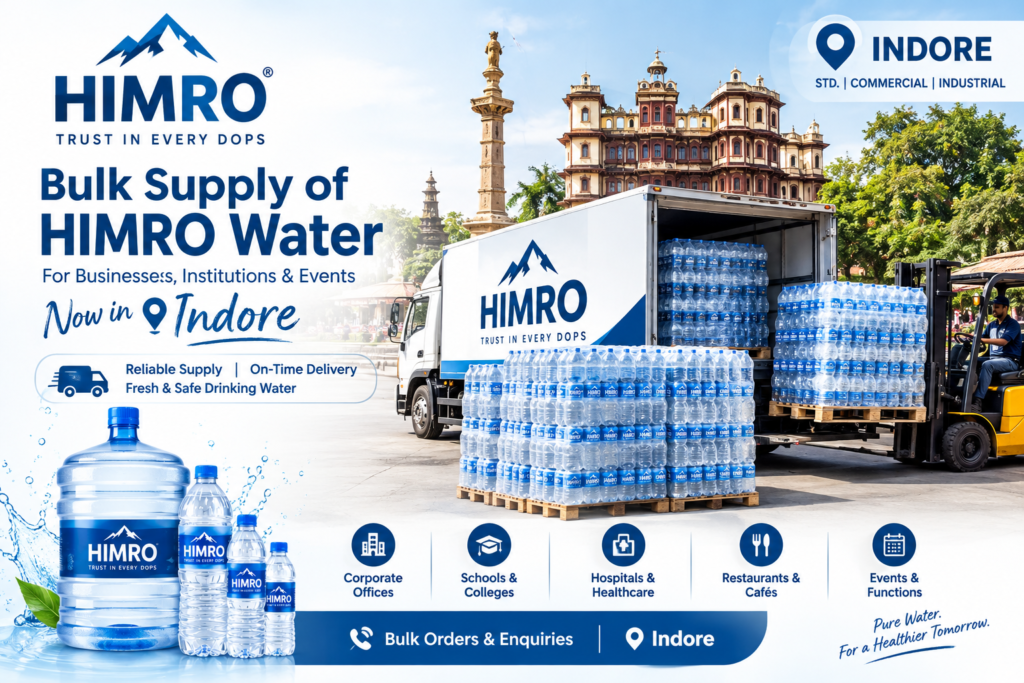
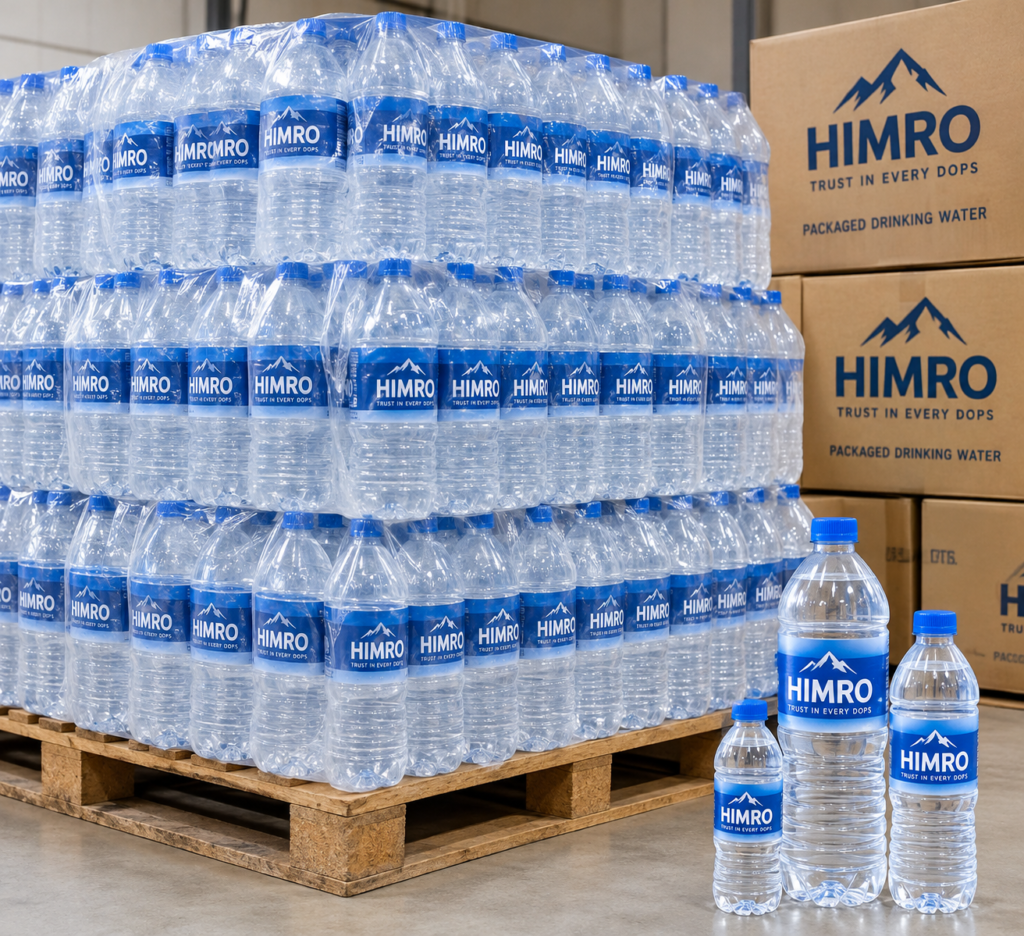
     

  • Best Packaged Drinking Water Supplier in Indore

    Introduction: Find a Supplier That Fits Your Requirements

    For shops, offices, restaurants, caterers, and event organizers, choosing a packaged drinking water supplier involves more than finding a name online. Buyers need to understand product sizes, order quantities, pricing, delivery arrangements, packaging condition, and the information provided with the product. Clear answers help a business plan purchases and avoid last-minute surprises.

    If you are searching for a packaged drinking water supplier in Indore, use this guide as a checklist. HIMRO is the brand featured in this article, but current service areas, availability, prices, and delivery terms should be confirmed directly. This article does not assume that a particular location is covered or that any specific product size is always in stock.

     Packaged Drinking Water Supplier in Indore

    Why Local Supplier Research Matters?

    A local search often reflects an immediate need. A retailer may be looking to replenish stock; an office may be preparing for a meeting; a restaurant may need packaged water for service; or an event planner may be arranging refreshments. In each case, the buyer needs a supplier who can clarify the order requirements and confirm whether the requested arrangement is possible.

    Local relevance should not replace verification. A website or search listing may help identify a business, but the buyer should still confirm its contact details, available products, delivery coverage, and commercial terms. Avoid assuming that a supplier delivers to a particular neighborhood merely because it appears in search results for the city.

    Step 1: Identify Your Business Requirement

    Before contacting suppliers, write down what you need. A retailer may require cases for resale. An office may want bottles for staff, guests, or meetings. A restaurant may need a format that suits its service style. An event organizer may need a one-time order with a specific delivery date.

    Clarify: Intended use. Preferred bottle size or sizes. Approximate number of bottles or cases. Required delivery location. Desired delivery date and receiving hours. Whether you need a quotation or invoice. Any product information or documentation your business requires.

    This helps suppliers respond to the actual request instead of guessing what the buyer means by “bulk” or “regular supply.”

    Step 2: Check Product Details and Labelling

    A supplier should be able to help you identify the product being quoted. Confirm the brand, bottle volume, pack format, and the number of bottles per case. Review the label for the details required under applicable rules, including relevant manufacturer or packer information and batch or date information where required.

    If your business requires specific regulatory documentation, ask for it and verify it through the appropriate channel. Do not rely on a verbal claim alone when formal evidence is needed. Do not assume a supplier holds a particular license or certification unless it has been confirmed.

    For HIMRO enquiries, ask for details about the products currently available and any information you need to evaluate them for your business.

    Step 3: Compare Quotes Fairly

    When comparing suppliers, make sure the quotes refer to the same product size and quantity. A price per bottle cannot be compared directly with a price per case unless you know how many bottles the case contains. Likewise, delivery fees, taxes, minimum order quantities, and payment terms can change the total cost.

    Ask each supplier to clarify: Product name and size. Bottles per case and number of cases. Total bottle quantity. Unit or case price. Applicable additional charges. Delivery availability and timing. Payment terms. Process for damaged or incorrect orders.

    Keep written quotations so you can compare them later. If a quote is unclear, ask for clarification before approving the purchase.

    Step 4: Evaluate Communication and Order Handling

    Good communication matters in repeat purchasing. Does the supplier understand your request? Are product and pricing details stated clearly? Can the supplier explain what happens if a delivery is delayed or the received quantity differs from the order? These questions help you understand how the business handles the buying process.

    For a recurring requirement, ask how to place a repeat order and what information should be included. Do not assume that same-day delivery, emergency restocking, or a fixed delivery schedule is available unless the supplier confirms it.

    HIMRO buyers can make the conversation more productive by sharing the exact sizes, quantities, location, and date needed. The business can then confirm the available options and relevant terms.

    Step 5: Confirm Delivery Coverage Before Ordering

    Indore includes a variety of commercial and residential areas, but not every supplier necessarily serves every location. Provide the complete delivery address or area and ask whether the supplier can deliver there. Confirm the expected date, delivery window if offered, vehicle access, unloading arrangements, and who will receive the shipment.

    For an event or business opening, allow enough time for confirmation and receiving. A supplier’s general presence in a city does not guarantee a particular delivery time or service area. Get important arrangements confirmed in writing.

    If collection is being considered instead of delivery, ask whether that option is available and what collection arrangements apply. Do not assume that a warehouse or pickup point is open to customers.

    Step 6: Plan Storage at Your Business

    A supplier decision should take your storage capacity into account. Measure the available space and consider how many cases can be stored without blocking walkways or creating unsafe stacking. Keep packaged water in a clean, suitable area and follow product storage instructions. Avoid storing it beside chemicals or materials that could contaminate the packaging environment.

    Retailers should maintain a simple stock record and monitor product dates. Offices and event planners should designate a place for unopened cases. If the product arrives with damaged cartons, leaks, or compromised seals, separate the affected items and contact the supplier promptly.

    Storage planning can also help you choose an appropriate order size. Buying more than you can store safely or use within a reasonable period may create unnecessary complications.

    Step 7: Think About Repeat Orders

    Businesses that use packaged drinking water regularly can benefit from a consistent ordering routine. Record how much stock is used or sold, when orders are placed, and how long replenishment takes once confirmed. Use those records to plan the next order instead of relying on memory.

    A repeat-order record can include: Date and quantity of the previous order. Bottle sizes and case configuration. Supplier quotation and invoice. Actual delivery date. Any shortage or damage issue. Approximate stock remaining. Next expected requirement.

    This information helps a buyer forecast demand and explain requirements clearly to a supplier. Demand may change with events, customer traffic, season, and operating hours, so review the record regularly.

    Conclusion:- Choose a Supplier Through Clear Questions

    Finding a suitable packaged drinking water supplier in Indore starts with a clear requirement and a fair comparison. Confirm the product, bottle size, case quantity, price, delivery coverage, documentation, and order-handling process. Plan storage before placing a large order and keep records if you expect to reorder.

    If HIMRO is on your shortlist, contact the business directly to confirm the details relevant to your purchase. Clear information helps both the buyer and supplier understand the request and determine the next steps.

  • How to Buying Packaged Drinking Water in Bulk ?

    Introduction: Plan the Order Before You Place It

    How to Buying Packaged Drinking Water in Bulk ? Bulk packaged drinking water orders can help businesses plan stock for customers, staff, guests, and events. But a successful order requires more than choosing a brand and asking for a price. Buyers need to define the quantity, bottle sizes, timing, storage space, delivery location, and conditions that matter to their operation.

    HIMRO serves as the brand focus of this guide for buyers considering packaged drinking water for retail or business use. Actual sizes, stock availability, delivery coverage, pricing, and order terms must be confirmed directly with the business. The purpose of this article is to help buyers prepare a clear enquiry and make a fair comparison between suppliers.How to Buying Packaged Drinking Water in Bulk ?

    Who May Need Bulk Packaged Drinking Water?

    Retailers and shop owners

    Retailers may buy cases to maintain shelf availability and respond to customer demand. They should consider the size mix, case quantities, shelf capacity, stock turnover, and how much cash they want to commit to inventory. Ordering too much can tie up storage and working capital; ordering too little can create frequent replenishment work.

    Offices and workplaces

    Offices may need water for staff, visitors, meetings, training sessions, or other activities. The required quantity depends on the number of people, operating schedule, the way drinking water is provided, and the duration of any event. Buyers should avoid using a fixed estimate without considering their actual situation.

    Restaurants, hotels, and caterers

    Hospitality businesses may require packaged water for guests, takeaway orders, catered functions, or events. The right size and quantity depend on the service model and customer expectations. Buyers should also consider storage, staff handling, and how stock is monitored during busy periods.

    Event organizers

    Conferences, weddings, sports activities, community gatherings, and business events can require a planned stock of drinking water. Organizers should estimate attendance, event duration, access to drinking water, distribution points, and backup needs. They should also plan for waste collection and responsible disposal or recycling where available.

    Distributors and wholesalers

    Distributors need to understand case dimensions, transport requirements, storage capacity, customer demand, and replenishment arrangements. A quotation should make the unit, case quantity, total quantity, and delivery conditions clear

    7 Steps How to Buying Packaged Drinking Water in Bulk ?

    Step 1: Define the Purpose and Quantity

    Start by identifying what the order is for. A retail order may be based on expected sales over a specific period. An office order may be based on the number of people and the way water is provided. An event order should consider attendance, duration, weather, other refreshments, and the venue’s arrangements.

    Write down the approximate number of bottles required, the preferred sizes, and the delivery date. If you are uncertain about the final quantity, ask whether the supplier can quote different quantity options. Do not assume that a supplier can split a shipment or deliver additional cases at short notice; confirm this in advance

    Step 2: Select the Right Bottle Sizes

    Different settings may call for different bottle formats. Smaller bottles may be convenient for individual distribution, meetings, or catered events. Other sizes may suit retail demand, longer use, or particular service arrangements. The suitable choice depends on the product range actually available.

    When discussing HIMRO, state the size or sizes you want and ask the business to confirm current availability. If you are open to alternatives, say so in the enquiry. A supplier can only quote accurately when it knows which product format and quantity you are considering.

    Step 3: Request a Clear, Comparable Quotation

    A useful quotation should state: Product or brand name. Bottle volume and pack format. Number of bottles per case. Number of cases and total bottles. Unit or case price. Applicable taxes and delivery charges, if any. Delivery location and estimated timing. Payment terms. Any minimum order quantity or other conditions. How damaged or incorrect deliveries are handled.

    Use the same requirements when requesting quotes from different suppliers. Otherwise, one quote might cover a different bottle size, quantity, or delivery arrangement and may not be directly comparable. Ask whether the quoted price is valid for a particular period. Prices and availability can change, so an old quotation should not be treated as a current offer.

    Step 4: Evaluate the Supplier, Not Just the Price

    Price is important, but it is not the only factor. Buyers should consider whether the supplier communicates clearly, provides the requested product details, explains delivery terms, and has a practical process for resolving order issues. Businesses with repeat requirements may also value consistent documentation and predictable communication.

    Before committing, confirm the product label and the information relevant to your business. Where you require regulatory documents or other compliance evidence, ask for the applicable documentation and verify it through appropriate channels. Never rely on unsupported claims or assume a particular certification exists without checking.

    For HIMRO, buyers can prepare a concise enquiry that includes their intended use, required quantity, sizes, delivery location, and date. This allows the business to confirm whether the request can be met and to provide relevant terms.

    Step 5: Plan Delivery and Receiving

    Delivery planning is particularly important for large orders. Confirm who will receive the shipment, the hours when the site can accept it, vehicle access, unloading arrangements, and the space needed to hold stock. A delivery that arrives when no one can receive it may create delays or additional handling.

    When the order arrives, check the number of cases against the delivery documentation. Look for obvious carton damage, leakage, or compromised packaging. If there is a discrepancy, record it and contact the supplier promptly according to the agreed process. Keep the relevant invoice or order confirmation available.

    Do not sell or distribute products with damaged or compromised packaging as if they were intact. Follow the supplier’s instructions and applicable procedures for reporting the issue.

    Step 6: Store Stock Properly

    Before ordering, make sure there is enough clean, suitable storage space. Keep cartons away from chemicals and other potential contaminants, and follow the label’s storage guidance. Avoid unsuitable heat and direct sunlight where instructed. Store stock so staff can access it safely without crushing cartons or blocking exits.

    Retailers should maintain a basic inventory process and monitor product dates. Offices and event venues should keep unopened stock in a designated location until it is needed. Distributors may need to account for case dimensions, stacking, and transport conditions.

    Storage planning is one reason to avoid ordering an arbitrary large quantity. The right order is the one that meets demand while remaining manageable for the buyer’s facilities and budget.

    Step 7: Build a Reordering Process

    For recurring demand, record how much stock is received, how quickly it is used or sold, and when replenishment is needed. Retailers can use sales records to identify demand patterns. Offices can review usage over several weeks. Event organizers can document the difference between estimated and actual requirements to improve future planning.

    Conclusion:-

    A Clear Plan Makes Bulk Buying Easier

    Buying packaged drinking water in bulk is easier when the order is planned around real requirements. Estimate quantity, select suitable sizes, request comparable quotes, verify product details, coordinate delivery, and prepare storage before the shipment arrives. For repeat orders, use sales or consumption records to improve future estimates.

    HIMRO is the brand to contact if you would like to enquire about packaged drinking water for retail or business use. Confirm the sizes currently available, case quantities, prices, delivery options, and terms directly before making a commitment.

    Call to action:-

    Need packaged drinking water for your shop, office, restaurant, distribution business, or event? Contact HIMRO with your requirements and request a quotation.

  • Packaged Drinking Water Bottle Sizes ?

    Introduction: One Size Does Not Suit Every Occasion

    Packaged Drinking Water Bottle Sizes depends on how it will be used, who will use it, how long it needs to last, and how it will be stored or served. A retailer planning shelf stock has different needs from an office manager ordering for meetings or an event organizer estimating refreshments for a large gathering.

    For buyers considering HIMRO, the best starting point is to identify the use case and then confirm which bottle sizes are currently available. This guide explains how to compare sizes and plan an order without assuming a particular size range, price, or stock availability.

    Why Bottle Size Matters?

    Bottle size affects convenience, storage, handling, and the number of units needed. Smaller bottles can be easy to distribute individually. Larger containers may reduce the number of units needed in some settings, but they can require more storage space and may not be ideal for every person or occasion.

    Packaged Drinking Water Bottle Sizes also influences ordering calculations. If a business estimates the number of attendees and the number of bottles needed per person, it can develop a rough quantity plan. That estimate should then be adjusted for the event duration, weather, availability of refill stations, other beverages, and the event’s service arrangements. Avoid treating a simple formula as a guarantee of consumption.

    Packaged Drinking Water Bottle Sizes

    Smaller Bottles for Individual Use

    Smaller packaged drinking water sizes bottles can be useful when a single serving is convenient. Examples may include short meetings, conferences, travel kits, individual food orders, or catered functions. The advantages are portability and straightforward distribution, while the trade-offs can include more individual units to handle and more packaging per total volume of water.

    For retailers, smaller formats may suit customers looking for a convenient, ready-to-carry product. For offices, they may be practical for short meetings or guest service. Event organizers should consider whether individually packed bottles match the event’s service style and waste-management plan.

    Before choosing a smaller size, confirm the actual volume, the number of bottles per case, and whether the format is available for the required order quantity. Do not base planning on a size that a supplier has not confirmed.

    Medium-Sized Bottles for Everyday Convenience

    Medium-sized bottles can offer a balance between portability and volume. Depending on the sizes available, they may be appropriate for longer commutes, workdays, food service, or individual use away from home. Their suitability depends on the person’s needs and the context; there is no universal best size.

    A retailer evaluating medium formats should consider the customers who visit the store, the space available on shelves, the case dimensions, and the likely pace of stock turnover. A business buyer may also need to compare how easily the bottles fit into storage areas, coolers, service trays, or delivery cartons.

    For HIMRO buyers, ask which medium-size options are available and whether they can be supplied in the quantities required. A clear enquiry can prevent confusion between bottle volume, case quantity, and total litres ordered.

    Larger Bottles for Longer Use or Shared Settings

    Larger bottles may be suitable for situations where a greater volume is useful and individual portability is less important. Examples could include some workplace settings, hospitality operations, or planned group service, depending on the product range and the way water will be distributed.

    Larger bottles may reduce the number of individual units required, but they are not automatically the best choice. Consider who will handle them, whether the container is intended for individual or shared use, how it will be stored, and how opened containers will be managed. Follow the product’s storage and handling instructions.

    When comparing larger formats, ask about bottle dimensions, case weight, storage requirements, and delivery logistics. These practical details matter to shops and businesses as much as the printed volume.

    Choosing Bottle Sizes for Different Customers

    1.  Retail shops

    Retailers need a mix that reflects local customer demand, shelf space, and buying patterns. Before ordering, review which sizes customers ask for most often and how quickly similar products sell. Start with a manageable order where possible, then use actual sales data to refine future purchases.

    2. Offices and workplaces

    Offices should consider the number of employees and visitors, the length of meetings, the way drinking water is provided, and available storage. Some workplaces may prefer individual bottles for meetings, while others may use a different water-service arrangement. Confirm the required size and quantity before ordering.

    3. Restaurants and cafes

    Food-service businesses should consider how water is offered to guests, the menu and service style, storage space, and the expected volume of customers. The right format may differ for takeaway orders, table service, catering, and private functions. Ensure the chosen packaging suits the intended use and applicable requirements.

    4. Events and functions

    Event planners should estimate attendance, event duration, distribution points, and backup stock. They should also plan for collection and responsible waste handling. The exact number of bottles depends on the event conditions; avoid assuming one fixed number per person will fit every occasion.

    5. Distributors and wholesalers

    Distributors may focus on case quantities, storage density, transport, demand from their customers, and the reliability of replenishment. They should confirm the precise units per case and the dimensions or weight of packed cases before planning storage and transport.

    How to Estimate the Quantity

    You Need A simple planning method is to start with the expected number of users and the intended service arrangement. For example, an event organizer can estimate the likely number of individual bottles needed, then add a reasonable contingency based on event length and local conditions. This is only a planning estimate, not a hydration recommendation or guarantee.

    For a business order, write down:-

    Expected number of people or customers.

    Event or operating duration.

    Preferred bottle size or sizes.

    Number of bottles required.

    Whether orders will be delivered in cases.

    Available storage space.

    Required delivery date and location.

    Budget or quotation requirements.

    This list makes supplier discussions more efficient. It also helps compare quotations consistently rather than comparing different quantities or formats by mistake

    Compare Total Cost, Not Just the Price of One Bottle

    A bottle’s unit price is only one part of the purchasing decision. Buyers should compare the same size, the same quantity, and equivalent delivery conditions. Check whether the quoted amount refers to a single bottle, a case, or a larger order. Ask about applicable taxes, delivery charges, minimum order quantities, payment terms, and any other conditions before confirming.

    A simple comparison can use the total delivered cost divided by the number of bottles received. However, buyers should also consider product suitability, supplier communication, packaging condition, and the reliability of order fulfilment. The lowest headline price may not represent the best fit if the product format or delivery arrangement does not meet the need.

    HIMRO customers should request current pricing for the exact size and quantity they need. Availability and terms should be confirmed directly rather than inferred from a general blog article.

    Storage and Handling Considerations

    Bottle size affects storage and movement. Before ordering, measure the available shelf, storeroom, or vehicle space and consider how staff will lift and move cartons. Store products in a clean, appropriate area and follow the label’s guidance. Keep packaged water away from chemicals and other materials that could affect the packaging or product environment.

    For retailers, rotate stock using the applicable date information and a consistent inventory process. For events, designate a clean location for unopened stock and keep bottles protected until distribution. If packaging is damaged, leaking, or unsealed, separate it from sale or service and contact the supplier for guidance.

    Conclusion: Choose the Size That Fits the Job

    The right bottle size supports convenience, practical storage, and efficient purchasing. Retailers should consider customer demand and shelf space; offices should plan for staff and visitors; restaurants should match the format to their service; and event organizers should estimate quantities carefully.

    HIMRO buyers can begin with a clear list of requirements and then confirm actual sizes, case quantities, pricing, and delivery arrangements. This approach helps avoid assumptions and makes the order easier to plan.


  • Packaged Drinking Water: How It Is Made and What Buyers Should Know ?

    Packaged Drinking Water: How It Is Made and What Buyers Should Know ?

    Introduction:-

    Understanding What Is in Your Bottle Packaged drinking water is a familiar part of daily life. People buy it for travel, meetings, shops, family gatherings, workplaces, and events. Yet many buyers rarely think about the steps between treating water and placing a sealed bottle on a shelf. Understanding those steps can help customers make more informed choices and help retailers and business buyers ask better questions of their suppliers.

    For a packaged drinking water brand such as HIMRO, product information should be clear, accurate, and easy for customers to understand. The details that matter include the product label, sealed packaging, batch and date information, applicable regulatory details, storage conditions, and whether the product suits the buyer’s needs. This guide explains the general packaged drinking water manufacturing process without assuming that every facility uses identical equipment or procedures.

    Packaged Drinking Water

    What Is Packaged Drinking Water ?

    Packaged drinking water is water prepared for sale in sealed containers. It is intended for people to drink and is packaged in bottles or other approved containers. It should not be confused automatically with mineral water or spring water: names and categories can have specific meanings under the rules that apply in a given market.

    Consumers should rely on the product’s actual label and applicable regulatory definitions rather than assuming a source or mineral composition based on the bottle’s appearance. A transparent label helps buyers identify the product category and find the information needed to make a decision.

    Step 1: Assessing the Source Water

    A production process begins with a water source. The source and its characteristics influence the treatment steps that may be needed. Water quality can vary, so a responsible process starts with understanding the incoming water and selecting treatment appropriate to its properties.

    This is one reason it is not accurate to assume that all bottled water follows one universal sequence. Treatment choices depend on source water, facility design, product requirements, and applicable standards. Buyers who need technical assurance should consult the manufacturer’s documented information rather than rely on generic claims.

    Step 2: Pretreatment and Filtration

    Pretreatment can reduce particles and substances that could interfere with later treatment. Depending on the system, processes may include sediment filtration or other suitable treatment stages. Filtration is not one single technology: different filters are designed for different purposes, and a filter’s presence alone does not prove that the finished product meets every quality requirement.

    A well-managed facility uses processes selected for the incoming water and maintains equipment according to its operating procedures. Routine monitoring and maintenance are important because treatment equipment must continue to work as intended.

    Step 3: Additional Treatment and Disinfection

    Depending on the source water and system, further treatment may be used to address particular dissolved substances or microorganisms. Technologies can vary. Some facilities may use membrane-based treatment, ultraviolet treatment, ozone, or other methods where appropriate and permitted. These are examples of technologies used in the sector, not a claim that HIMRO uses any particular technology.

    The important point for consumers is that the complete treatment system, its operation, and the finished product’s compliance matter more than a single technology name in a marketing message. A brand should describe its own process only when it can substantiate the description.

    Step 4: Quality Checks and Records

    Quality assurance is not simply a final glance at a bottle. Depending on the applicable requirements and the facility’s quality system, checks can include reviewing process conditions, testing water parameters, checking packaging integrity, maintaining batch records, and documenting corrective action when a result falls outside the required range.

    Consumers should not infer that a bottle is safe solely because the water looks clear or tastes neutral. Many important characteristics cannot be confirmed by sight or smell. For that reason, customers should check the label and rely on appropriate regulatory oversight and documented quality systems.

    Step 5: Hygienic Bottling and Sealing

    After treatment, water is filled into suitable containers using a process designed to protect the product from contamination. Bottles, caps, filling equipment, and the surrounding handling environment all matter. The precise equipment and controls vary by facility, but cleanliness, maintenance, and controlled handling are key considerations in packaged beverage production.

    The cap and seal are also important to the customer. A bottle with a broken seal, leakage, or visible damage should not be treated as equivalent to an intact product. If packaging appears compromised, choose another bottle and contact the seller or supplier if necessary.

    Step 6: Labelling, Packing, and Distribution

    Once filled and sealed, bottles are labelled and packed for handling and delivery. The label should provide the information required by applicable rules, which may include the product name, manufacturer or packer details, batch information, dates, quantity, and relevant license or compliance details. The exact requirements depend on the product category and current regulations.

    Packaging protects bottles during storage and movement, but it does not remove the need for sensible handling. Direct sunlight, excessive heat, dirty storage areas, and rough handling can be undesirable for packaged beverages. Businesses should follow the storage guidance on the product and avoid keeping stock in unsuitable conditions.

    Why Bottle Size Matters

    Packaged drinking water may be offered in different sizes to suit different situations. Smaller bottles can be convenient for individual use, meetings, travel, or catered events. Larger bottles may suit longer use or shared settings, depending on the available product range and the customer’s requirements.

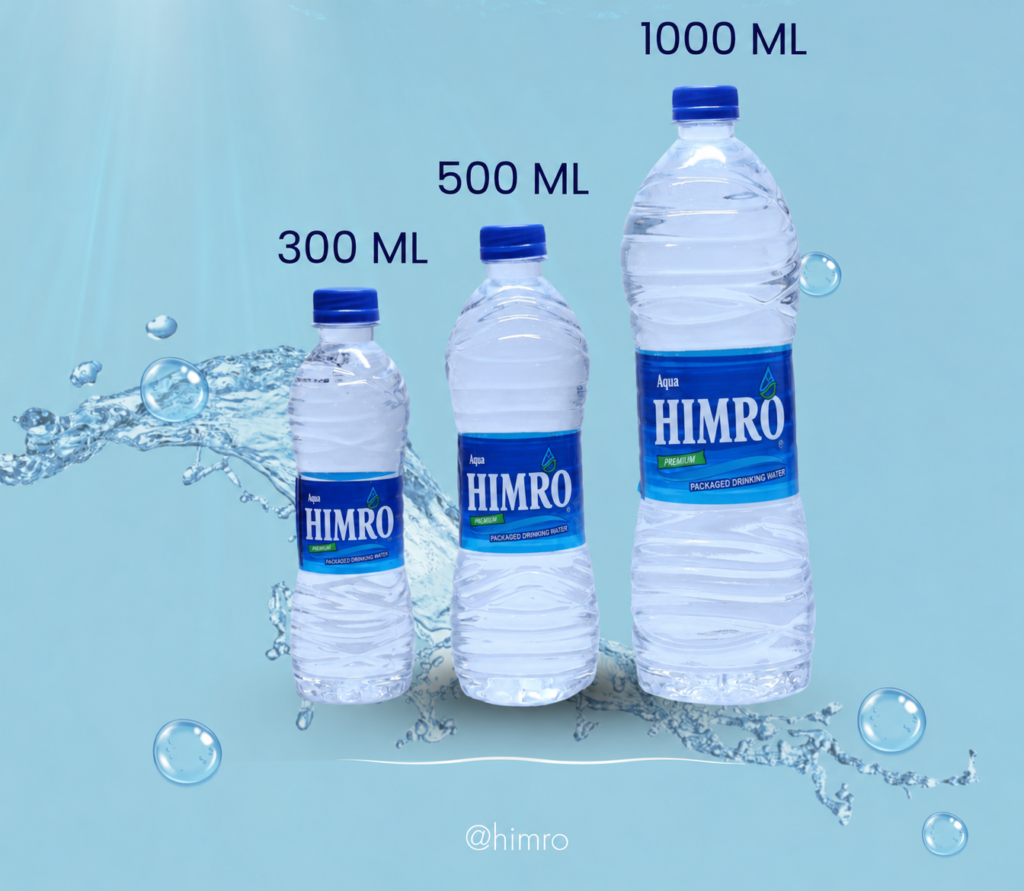
    HIMRO customers should check the sizes actually offered, the quantity per case, and the order terms before planning a purchase. Retailers may focus on shelf space and consumer demand, while offices and event organizers may need to estimate the number of people, duration, and expected consumption. No single size is right for every situation.

    How Consumers Can Make an Informed Choice

    When selecting packaged drinking water, consumers can:

    Read the label rather than relying only on branding or bottle appearance.

    Check that the cap and seal are intact.

    Look for required product and manufacturer details.

    Avoid bottles with leaks, damaged packaging, or unclear labels.

    Store bottles according to the product guidance and away from unsuitable heat or direct sunlight.

    Contact the seller or brand if product details are unclear.

    These steps help consumers make a more informed choice, but they are not a substitute for official standards or laboratory testing.

    What Retailers and Bulk Buyers Should Consider?

    Retailers, distributors, offices, restaurants, and event planners often have additional considerations. They may need predictable case quantities, clear ordering arrangements, delivery coordination, invoices, and a process for reporting damaged stock. Before placing a bulk order, buyers should confirm available sizes, minimum quantities if any, pricing, delivery availability, payment terms, and product documentation relevant to their business.

    A buyer should not assume that every supplier offers the same sizes or serves every location. Confirm those details directly. For HIMRO, a useful enquiry should state the intended use, approximate quantity, preferred bottle sizes, delivery location, and required delivery date. That makes it easier to assess whether the requested order can be fulfilled.

    Conclusion: Choose with Information, Not Assumptions

    Understanding the packaged drinking water manufacturing process helps consumers and businesses ask better questions. Water source, suitable treatment, quality checks, hygienic filling, sound packaging, accurate labelling, and proper storage all have a role. The details differ by product and facility, so claims should be verified rather than assumed.

    HIMRO aims to make it easier for customers to enquire about packaged drinking water for personal, retail, and business needs. Before ordering, share your required bottle sizes, approximate quantity, intended use, and delivery location so the available options can be confirmed.


  • How to Bake a Cake at Home: A Simple 10 best step Guide for Beginners

    How to Bake a Cake at Home: A Simple 10 best step Guide for Beginners

    Baking a cake at home is easier than you might think. Whether you are preparing a cake for a birthday, a family celebration, or simply satisfying your sweet tooth, you can make a delicious homemade cake with a few basic ingredients and simple steps. You do not need to be a professional baker to get started.

    In this article, you will learn how to bake a cake at home, which ingredients you need, how to prepare the batter, and how to bake a soft, fluffy cake. We will also share some useful baking tips and common mistakes to avoid.

    How to Bake a Cake

    1. Ingredients Needed for How to Bake a Cake

    Before you begin, gather all the ingredients. Having everything ready makes the baking process easier and helps you avoid mistakes.

    Here is what you need to make a simple vanilla cake.

    Ingredient Quantity
    All-purpose flour (maida) 1½ cups
    Sugar ¾ cup
    Milk ½ cup
    Butter (softened) ½ cup
    Eggs 2
    Baking powder 1½ teaspoons
    Vanilla extract 1 teaspoon
    Salt A small pinch

    Tip: For the best results, use ingredients at room temperature. Measure them carefully because the correct proportions help create a soft and fluffy cake.

    2. Prepare Your Baking Equipment

    You do not need expensive equipment to bake a cake. Most of the items are commonly available in the kitchen.

    You will need:

    • A mixing bowl
    • A whisk or electric mixer
    • Measuring cups and spoons
    • A cake tin
    • A spatula
    • An oven
    • Baking paper or a little butter and flour for greasing the tin

    If you are a beginner, a simple round cake tin is a good choice. Make sure it fits comfortably inside your oven.

    3. Preheat the Oven

    Start by preheating your oven to 180°C (350°F) for approximately 10–15 minutes, following your oven manufacturer’s instructions.

    Preheating is important because the cake needs a consistent temperature to rise properly. Putting the batter into a cold oven may affect its texture and baking time.

    While the oven is heating, grease your cake tin with butter and lightly dust it with flour, or line the bottom with baking paper.

    4. Mix the Butter and Sugar

    Take a large mixing bowl and add the softened butter and sugar.

    Beat them together until the mixture becomes light, creamy, and slightly fluffy. You can use a whisk or an electric mixer for this step.

    This process helps incorporate air into the mixture, which contributes to a lighter cake.

    Next, add the eggs one at a time, mixing well after each addition. Add the vanilla extract and mix until everything is combined.

    Baking tip: Avoid using melted butter for this particular method. Softened butter works better when creaming it with sugar.

    5. Add the Dry Ingredients

    In another bowl, combine the all-purpose flour, baking powder, and salt. Mix them well so that the baking powder is distributed evenly.

    Gradually add the dry ingredients to the butter mixture. Alternate with the milk, adding a little flour mixture followed by a little milk until everything is incorporated.

    Use a spatula or whisk to combine the ingredients gently.

    Do not overmix the batter. Excessive mixing can develop too much gluten and make the cake dense instead of soft.

    The finished batter should be smooth and thick but easy to pour.

    6. Pour the Batter into the Cake Tin

    Pour the prepared batter into your greased cake tin.

    Use a spatula to spread it evenly. Gently tap the tin on the kitchen counter once or twice to release any large air bubbles.

    Make sure the tin is not filled to the top. Leave enough space for the cake to rise while baking.

    Now your cake batter is ready for the oven.

    7. Bake the Cake

    Place the cake tin in the centre of the preheated oven.

    Bake at 180°C for approximately 30–40 minutes, depending on the size of your tin and your oven.

    Avoid opening the oven door frequently during the first 20–25 minutes because sudden temperature changes may cause the cake to sink.

    To check whether the cake is ready, insert a toothpick or skewer into the centre. If it comes out clean or with a few dry crumbs, the cake is done. If wet batter sticks to it, bake for a few more minutes and check again.

    Keep an eye on the cake during the final minutes to prevent overbaking.

    8. Cool the Cake Properly

    Once the cake is baked, remove it from the oven carefully.

    Allow it to cool in the tin for around 10–15 minutes. Then gently remove it from the tin and place it on a wire rack to cool completely.

    Cooling is an important step because a warm cake can break easily when sliced. It can also cause frosting to melt if you decorate it too early.

    Be patient and let the cake cool before adding any toppings.

    9. Decorate Your Homemade Cake

    Once your cake has cooled, you can decorate it according to your taste and occasion.

    Here are some simple decoration ideas:

    • Chocolate frosting: Spread chocolate buttercream over the cake for a rich flavour.
    • Whipped cream: Add whipped cream and fresh fruit for a light dessert.
    • Powdered sugar: Sprinkle a little powdered sugar on top for a simple finish.
    • Chocolate chips: Add chocolate chips for extra sweetness and texture.
    • Fresh strawberries: Arrange sliced strawberries on top for a colourful appearance.

    If you are making a birthday cake, you can also add candles, sprinkles, or a personalised message.

    10. Common Mistakes to Avoid When Baking a Cake

    Even a simple cake can go wrong if you overlook a few important details.

    Common mistake How to avoid it
    Using incorrect measurements Measure all ingredients carefully.
    Skipping preheating Preheat the oven before baking.
    Overmixing the batter Mix gently until the ingredients are combined.
    Opening the oven door too early Keep the door closed during the initial baking period.
    Overbaking the cake Check doneness near the end of the suggested baking time.
    Removing the cake too soon Let it cool in the tin before removing it.
    Frosting a warm cake Allow the cake to cool completely first.

    Following these simple tips will help you achieve more consistent results.

    Frequently Asked Questions (FAQs)

    1. How long does it take to bake a cake?

    A basic homemade cake usually takes around 30–40 minutes to bake. However, preparation and cooling time will add to the total time.

    2. Can I bake a cake without an electric mixer?

    Yes. You can use a hand whisk and a spatula. Mix the butter and sugar thoroughly, and combine the remaining ingredients gently.

    3. How do I know when my cake is fully baked?

    Insert a toothpick into the centre. If it comes out clean or with a few dry crumbs, the cake is generally ready. The top should also look set and spring back lightly when touched.

    4. Why does my cake become hard or dense?

    A cake may become hard or dense because of overmixing, incorrect ingredient measurements, too much flour, or overbaking. Measure carefully and avoid mixing the batter more than necessary.

    5. Can I make a cake without eggs?

    Yes. You can use a suitable eggless cake recipe with ingredients such as yoghurt or other egg substitutes. However, replacing eggs in this particular recipe may change the texture, so it is better to follow a recipe designed specifically for eggless baking.

    6. How should I store a homemade cake?

    Once the cake has cooled, store it in an airtight container. An unfrosted cake can generally be kept at room temperature for a short period in a cool environment. Refrigerate cakes with perishable frosting or fillings, following appropriate food-safety guidance.

    Conclusion: How to Bake a Cake

    Baking a cake at home can be a fun and rewarding experience. With simple ingredients, the right measurements, and a little patience, even beginners can prepare a delicious homemade cake.

    Start by following the recipe carefully, preheat your oven, avoid overmixing the batter, and allow the cake to cool before decorating it. As you gain experience, you can experiment with chocolate, fruit, different flavours, and creative decorations.

    The best way to learn how to bake a cake is to start with a simple recipe and practise. Soon, you will be able to make homemade cakes for birthdays, celebrations, and everyday treats.

  • How To Start SIP ?

    Investing may seem difficult for beginners, but a Systematic Investment Plan how to start SIP , commonly known as SIP, makes it easier to start investing with a small amount. Through SIP, you can invest a fixed amount in a mutual fund at regular intervals, such as weekly, monthly, or quarterly.

    This guide explains how to start SIP, how it works, and what factors you should consider before investing.

    HOW TO START SIP ?

    What Is SIP?

    SIP stands for Systematic Investment Plan. It is a method of investing a fixed amount regularly in a mutual fund scheme. Profitable for long term. 

    For example, you may choose to invest ₹1,000 every month in a mutual fund. The amount is automatically deducted from your bank account and invested in the selected fund.

    SIP is not a separate investment product. It is simply a method of investing in mutual funds.

    How Does SIP Work?

    When you invest through SIP, you purchase units of a mutual fund based on the fund’s Net Asset Value, or NAV, on the investment date.

    When the NAV is lower, you receive more units. When the NAV is higher, you receive fewer units. This approach is commonly known as rupee-cost averaging.

    Over time, regular investing may help you build a disciplined investment habit and reduce the pressure of deciding the perfect time to enter the market.

    How to Start SIP ? Step by Step

    1. Define Your Financial Goal

    Before starting a SIP, decide why you want to invest.

    • Building an emergency fund
    • Planning for higher education
    • Buying a house
    • Creating a retirement fund
    • Saving for a wedding
    • Building long-term wealth

    A clear goal can help you select an appropriate investment amount and time period.

    2. Decide the SIP Amount

    Choose an amount that you can invest comfortably every month without affecting your essential expenses.

    Many mutual fund schemes allow investors to start with a relatively small monthly amount. However, the minimum amount may vary depending on the fund. You can increase your SIP amount gradually as your income grows.

    3. Understand Your Risk Profile

    Different mutual funds carry different levels of risk.

    • Your age
    • Monthly income
    • Financial responsibilities
    • Investment period
    • Ability to tolerate market fluctuations

    Equity mutual funds generally involve higher market risk and may be suitable for long-term goals. Debt funds may have comparatively lower volatility but also carry risks such as interest-rate and credit risk.

    4. Complete Your KYC

    KYC stands for Know Your Customer. It is generally required before investing in mutual funds.

    • PAN card
    • Aadhaar card or another valid identity document
    • Address proof
    • Bank account details
    • Photograph
    • Mobile number and email address

    KYC can usually be completed online through an authorized investment platform or mutual fund service provider.

    5. Select a Mutual Fund

    Research different mutual fund schemes before investing.

    • Investment objective
    • Risk level
    • Expense ratio
    • Fund category
    • Portfolio allocation
    • Fund manager’s experience
    • Long-term consistency
    • Exit load
    • Tax implications

    Avoid selecting a fund only because it delivered high returns in the recent past. Past performance does not guarantee future returns.

    6. Choose Between Direct and Regular Plans

    Mutual funds generally offer direct and regular plans.

    A direct plan is purchased directly from the mutual fund company or an eligible investment platform without distributor commission. A regular plan is purchased through an intermediary or distributor and may include distribution-related expenses. Both plans may invest in the same portfolio, but their expense ratios and returns can differ.

    7. Select the SIP Date

    Choose a monthly SIP date based on your cash flow.

    For example, if your salary is credited during the first week of every month, you may schedule your SIP shortly after the salary date. Make sure that your bank account has sufficient balance before the auto-debit date.

    8. Register the Bank Mandate

    A bank mandate allows the SIP amount to be automatically deducted from your bank account.

    After the mandate is approved, the selected amount will usually be invested automatically on the scheduled date.

    9. Review and Confirm the SIP

    Before confirming your SIP, check the following details:

    • Mutual fund scheme name
    • Plan type
    • Growth or income distribution option
    • Monthly investment amount
    • SIP date
    • Bank details
    • Investment duration

    Once confirmed, you should receive a transaction confirmation from the investment platform or mutual fund company.

    How to start SIP – Benefits of Starting a SIP

    Investment Discipline

    SIP encourages you to invest regularly instead of waiting for the perfect market condition.

    Small Starting Amount

    You can begin investing without arranging a large lump-sum amount.

    Rupee-Cost Averaging

    Regular investments purchase different numbers of units at different market levels, which can reduce the impact of short-term market timing.

    Potential Power of Compounding

    When returns remain invested, they may generate additional returns over time. A longer investment period can increase the potential effect of compounding.

    Convenience

    Once the auto-debit instruction is active, the investment process becomes largely automatic.

    Common Mistakes to Avoid While Starting SIP

    Investing Without a Goal

    A SIP should ideally be connected to a specific financial objective.

    Choosing Funds Based Only on Recent Returns

    Recent performance alone is not enough to evaluate a mutual fund.

    Stopping SIP During Market Declines

    Market fluctuations are normal. Stopping an SIP only because the market has fallen may affect your long-term investment strategy.

    Ignoring Risk To Generate Profit 

    Mutual funds are market-linked investments. Returns are not guaranteed.

    Not Reviewing the Portfolio

    Review your investments periodically to check whether they still match your goals, risk profile, and investment horizon.

    How Much Should You Invest in SIP?

    The appropriate SIP amount depends on your income, expenses, financial goals, and investment timeline.

    1. The total amount required for your goal
    2. The number of years available
    3. Your existing savings
    4. A reasonable expected return assumption
    5. The level of risk you can accept

    Do not invest money required for rent, household expenses, loan payments, medical needs, or other essential commitments.

    Is SIP Safe?

    SIP itself does not determine the safety of your investment. The risk depends on the mutual fund scheme you select.

    Equity funds can experience significant fluctuations. Debt funds can also carry credit, liquidity, and interest-rate risks.

    Read the scheme-related documents carefully and consider consulting a qualified financial adviser before making investment decisions.

    How to start SIP – Frequently Asked Questions

    Can I start SIP with ₹500?

    Some mutual fund schemes may allow SIP investments starting from ₹500 or another small amount. The minimum investment requirement varies by scheme.

    Can I stop my SIP anytime?

    In many cases, an SIP can be paused or cancelled. However, the process and timeline may depend on the mutual fund company and investment platform.

    Can I increase my SIP amount later?

    Yes, you may start another SIP or use a step-up SIP facility where available.

    Is SIP better than a lump-sum investment?

    Neither option is automatically better for every investor. SIP may be suitable for regular earners, while lump-sum investing may be considered when a person has a larger amount available. The decision depends on market risk, goals, and financial circumstances.

    What happens if I miss an SIP payment?

    A missed payment generally means that the investment will not be made for that particular instalment. Repeated failures may lead to cancellation of the SIP mandate, depending on applicable terms.

    Conclusion

    Starting an SIP can be a simple way to develop a regular investment habit. Begin by defining your financial goal, evaluating your risk profile, completing KYC, selecting an appropriate mutual fund, and setting up an automatic bank mandate.

    Always remember that mutual fund investments are subject to market risks. Carefully review the scheme documents and seek professional financial advice when necessary.