Introduction: One Size Does Not Suit Every Occasion
Packaged Drinking Water Bottle Sizes depends on how it will be used, who will use it, how long it needs to last, and how it will be stored or served. A retailer planning shelf stock has different needs from an office manager ordering for meetings or an event organizer estimating refreshments for a large gathering.
For buyers considering HIMRO, the best starting point is to identify the use case and then confirm which bottle sizes are currently available. This guide explains how to compare sizes and plan an order without assuming a particular size range, price, or stock availability.
Why Bottle Size Matters?
Bottle size affects convenience, storage, handling, and the number of units needed. Smaller bottles can be easy to distribute individually. Larger containers may reduce the number of units needed in some settings, but they can require more storage space and may not be ideal for every person or occasion.
Packaged Drinking Water Bottle Sizes also influences ordering calculations. If a business estimates the number of attendees and the number of bottles needed per person, it can develop a rough quantity plan. That estimate should then be adjusted for the event duration, weather, availability of refill stations, other beverages, and the event’s service arrangements. Avoid treating a simple formula as a guarantee of consumption.
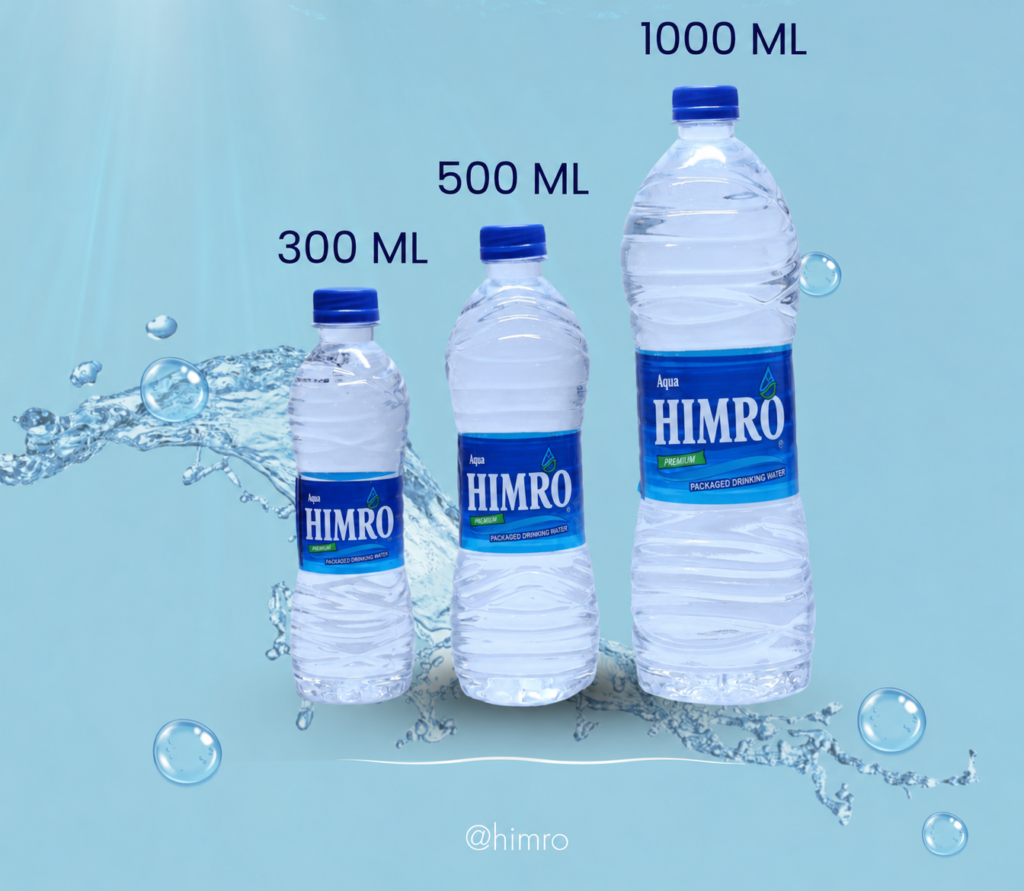
Smaller Bottles for Individual Use
Smaller packaged drinking water sizes bottles can be useful when a single serving is convenient. Examples may include short meetings, conferences, travel kits, individual food orders, or catered functions. The advantages are portability and straightforward distribution, while the trade-offs can include more individual units to handle and more packaging per total volume of water.
For retailers, smaller formats may suit customers looking for a convenient, ready-to-carry product. For offices, they may be practical for short meetings or guest service. Event organizers should consider whether individually packed bottles match the event’s service style and waste-management plan.
Before choosing a smaller size, confirm the actual volume, the number of bottles per case, and whether the format is available for the required order quantity. Do not base planning on a size that a supplier has not confirmed.
Medium-Sized Bottles for Everyday Convenience
Medium-sized bottles can offer a balance between portability and volume. Depending on the sizes available, they may be appropriate for longer commutes, workdays, food service, or individual use away from home. Their suitability depends on the person’s needs and the context; there is no universal best size.
A retailer evaluating medium formats should consider the customers who visit the store, the space available on shelves, the case dimensions, and the likely pace of stock turnover. A business buyer may also need to compare how easily the bottles fit into storage areas, coolers, service trays, or delivery cartons.
For HIMRO buyers, ask which medium-size options are available and whether they can be supplied in the quantities required. A clear enquiry can prevent confusion between bottle volume, case quantity, and total litres ordered.
Larger Bottles for Longer Use or Shared Settings
Larger bottles may be suitable for situations where a greater volume is useful and individual portability is less important. Examples could include some workplace settings, hospitality operations, or planned group service, depending on the product range and the way water will be distributed.
Larger bottles may reduce the number of individual units required, but they are not automatically the best choice. Consider who will handle them, whether the container is intended for individual or shared use, how it will be stored, and how opened containers will be managed. Follow the product’s storage and handling instructions.
When comparing larger formats, ask about bottle dimensions, case weight, storage requirements, and delivery logistics. These practical details matter to shops and businesses as much as the printed volume.
Choosing Bottle Sizes for Different Customers
1. Retail shops
Retailers need a mix that reflects local customer demand, shelf space, and buying patterns. Before ordering, review which sizes customers ask for most often and how quickly similar products sell. Start with a manageable order where possible, then use actual sales data to refine future purchases.
2. Offices and workplaces
Offices should consider the number of employees and visitors, the length of meetings, the way drinking water is provided, and available storage. Some workplaces may prefer individual bottles for meetings, while others may use a different water-service arrangement. Confirm the required size and quantity before ordering.
3. Restaurants and cafes
Food-service businesses should consider how water is offered to guests, the menu and service style, storage space, and the expected volume of customers. The right format may differ for takeaway orders, table service, catering, and private functions. Ensure the chosen packaging suits the intended use and applicable requirements.
4. Events and functions
Event planners should estimate attendance, event duration, distribution points, and backup stock. They should also plan for collection and responsible waste handling. The exact number of bottles depends on the event conditions; avoid assuming one fixed number per person will fit every occasion.
5. Distributors and wholesalers
Distributors may focus on case quantities, storage density, transport, demand from their customers, and the reliability of replenishment. They should confirm the precise units per case and the dimensions or weight of packed cases before planning storage and transport.
How to Estimate the Quantity
You Need A simple planning method is to start with the expected number of users and the intended service arrangement. For example, an event organizer can estimate the likely number of individual bottles needed, then add a reasonable contingency based on event length and local conditions. This is only a planning estimate, not a hydration recommendation or guarantee.
For a business order, write down:-
Expected number of people or customers.
Event or operating duration.
Preferred bottle size or sizes.
Number of bottles required.
Whether orders will be delivered in cases.
Available storage space.
Required delivery date and location.
Budget or quotation requirements.
This list makes supplier discussions more efficient. It also helps compare quotations consistently rather than comparing different quantities or formats by mistake
Compare Total Cost, Not Just the Price of One Bottle
A bottle’s unit price is only one part of the purchasing decision. Buyers should compare the same size, the same quantity, and equivalent delivery conditions. Check whether the quoted amount refers to a single bottle, a case, or a larger order. Ask about applicable taxes, delivery charges, minimum order quantities, payment terms, and any other conditions before confirming.
A simple comparison can use the total delivered cost divided by the number of bottles received. However, buyers should also consider product suitability, supplier communication, packaging condition, and the reliability of order fulfilment. The lowest headline price may not represent the best fit if the product format or delivery arrangement does not meet the need.
HIMRO customers should request current pricing for the exact size and quantity they need. Availability and terms should be confirmed directly rather than inferred from a general blog article.
Storage and Handling Considerations
Bottle size affects storage and movement. Before ordering, measure the available shelf, storeroom, or vehicle space and consider how staff will lift and move cartons. Store products in a clean, appropriate area and follow the label’s guidance. Keep packaged water away from chemicals and other materials that could affect the packaging or product environment.
For retailers, rotate stock using the applicable date information and a consistent inventory process. For events, designate a clean location for unopened stock and keep bottles protected until distribution. If packaging is damaged, leaking, or unsealed, separate it from sale or service and contact the supplier for guidance.
Conclusion: Choose the Size That Fits the Job
The right bottle size supports convenience, practical storage, and efficient purchasing. Retailers should consider customer demand and shelf space; offices should plan for staff and visitors; restaurants should match the format to their service; and event organizers should estimate quantities carefully.
HIMRO buyers can begin with a clear list of requirements and then confirm actual sizes, case quantities, pricing, and delivery arrangements. This approach helps avoid assumptions and makes the order easier to plan.
Leave a Reply